For those who seek, a map...
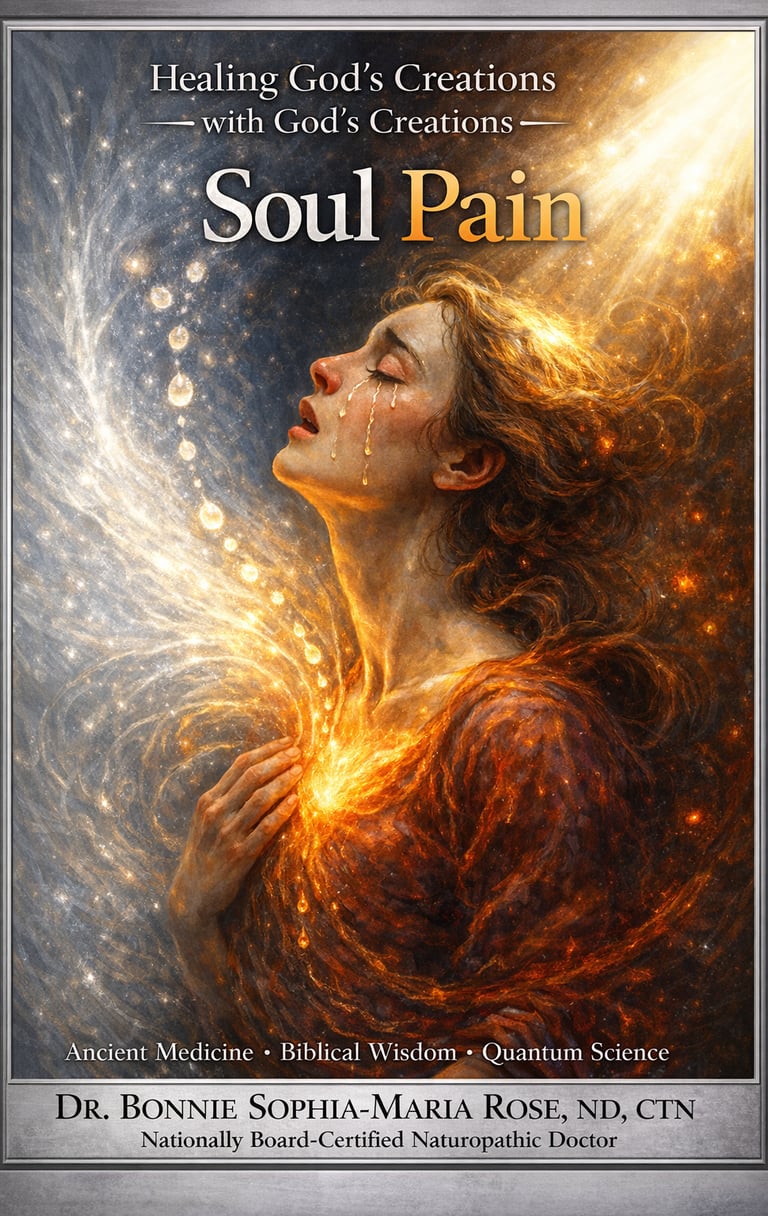
PUBLISHERS' OUTLINE; ROUGH DRAFT
TOC & MANUSCRIPT IN EARLY STAGES OF DEVELOPMENT
'Sophia is in every woman,
of course alive & living and still with us,
and I know where she lives....
.Pistis Sophia
the knowing & rememberance is activation,
the source, the truths & paths of identification
transformation is the root of Soul ascention
Understanding the fracture & blockages
The most powerful embodiment is the Queen of Sheba.
''Sophia is now standing in the court, holding the quill and the gavel, and she has questions....''
- The material presented below is only a brief collection, discussion/topics as an overview/& research of this book.
The carriage of it.
More of the book's Content development is underway; 1500 pages of research
Deeply explore Soul Pain;
What we sense is missing, what we know is present, and other seemingly out of reach, unnamed, unidentified deep pain & suffering, not just from lived experiences, but possibly past life or family trauma patterns, and finding truth behind it, reframing experiences
to propel our Soul forward.
Tied to our Angelic companions, Guardian Angels,
Dream life, and more.
Soul Pain: Restoring Humanity’s Lost Relationship & Alignment with
Wisdom, Rhythm, and Creation
Mary knew
Expanding the clinical and historical foundations of my life's work
Healing God’s Creations with God’s Creations
My book series is a deeper exploration of why so many people today experience a loss of direction, a depletion of meaning, and a disconnection from their own internal guidance.
Building on more than three decades of naturopathic clinical practice, the book traces a pattern rarely addressed in modern medicine: that many forms of emotional suffering—especially those affecting women’s health, identity, fertility, and nervous system stability—reflect a long historical disruption in humanity’s relationship with wisdom, ecological rhythm, and embodied knowledge. Rather than interpreting intuition and longing as purely psychological experiences, Soul Pain reframes them as biological and cultural signals of interrupted correspondence between the human organism and the structure of creation itself.
At the center of this work is Sophia—Wisdom—not as a symbolic idea, but as an organizing presence once woven into daily life through land, nourishment, timing, and intergenerational transmission. By restoring this framework, Soul Pain offers readers a way to understand personal disorientation as part of a recoverable historical pattern rather than an individual failure.
This forthcoming volume serves as the interpretive keystone of the Soul Pain series, complementing the already published companion works, including the Soul Pain Journal, 30-Day Guided Workbook, and Life Transformation. Together, these books form a structured pathway for readers seeking restoration of coherence between body, history, and spiritual life. 📘
Soul Pain
Planned Publication: November - December 2026
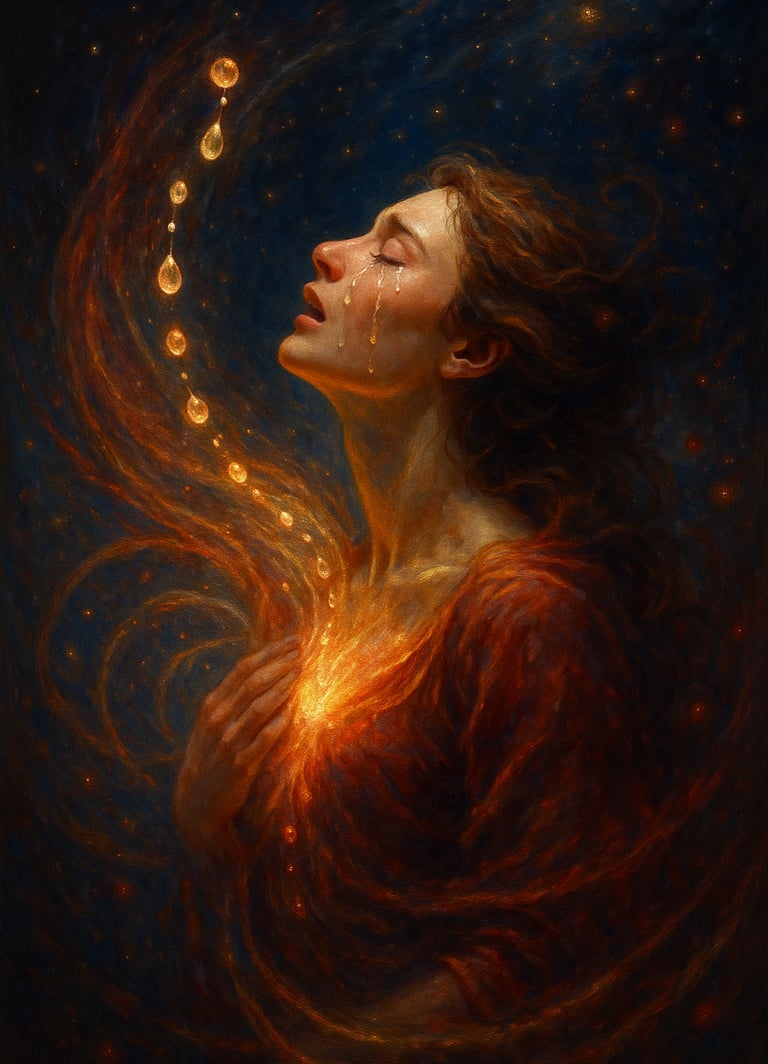
Soul pain is the ache that does not belong to one moment, one wound, or one lifetime.
Was Sophia 'misrepresented' in history ~like other women......
Exploring ancient medicine, sacred manuscripts, biblical texts, and beyond, you will see the historical path of pain modern women still carry — pain that has gone unnamed and unrecognized, and, worst of all, mislabeled and silenced — even from a biochemical and clinical lens.
This is the story of Sophia's authority, her displacement, and her loss — which is every woman's loss, written into the body, the land, and the soul.
Sophia as embedded architecture within woman.........
This book isn’t linear argumentation.
It’s a layered synthesis across:
scripture
sociology
theology
histography
physiology
mineral signaling
chemical imbalance
symbolic theology
temple medicine
clinical observation
generational trauma
women’s developmental biology
historical suppression patterns
ancient history; global research,
neurophysiology, archaeology, and symbolic anthropology
& who was holding the quill...
More to come....
— and together they carry the heart of this work: Sophia's lost lineage, her stolen legacy, and a spiritual battle for God's creations that began at the very foundation of time.
Soul Pain explores what happens when the wisdom architecture built into women is displaced from her, from history, from medicine, and from her body of Light
—and how that loss is still shaping our lives.
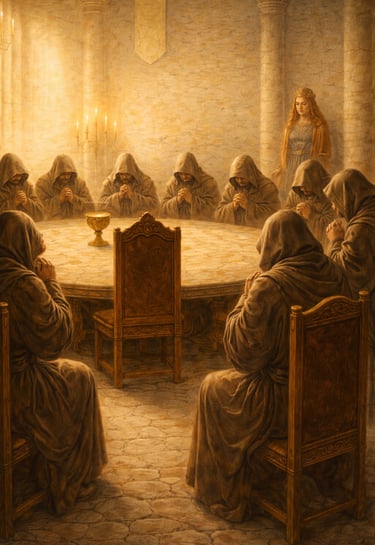
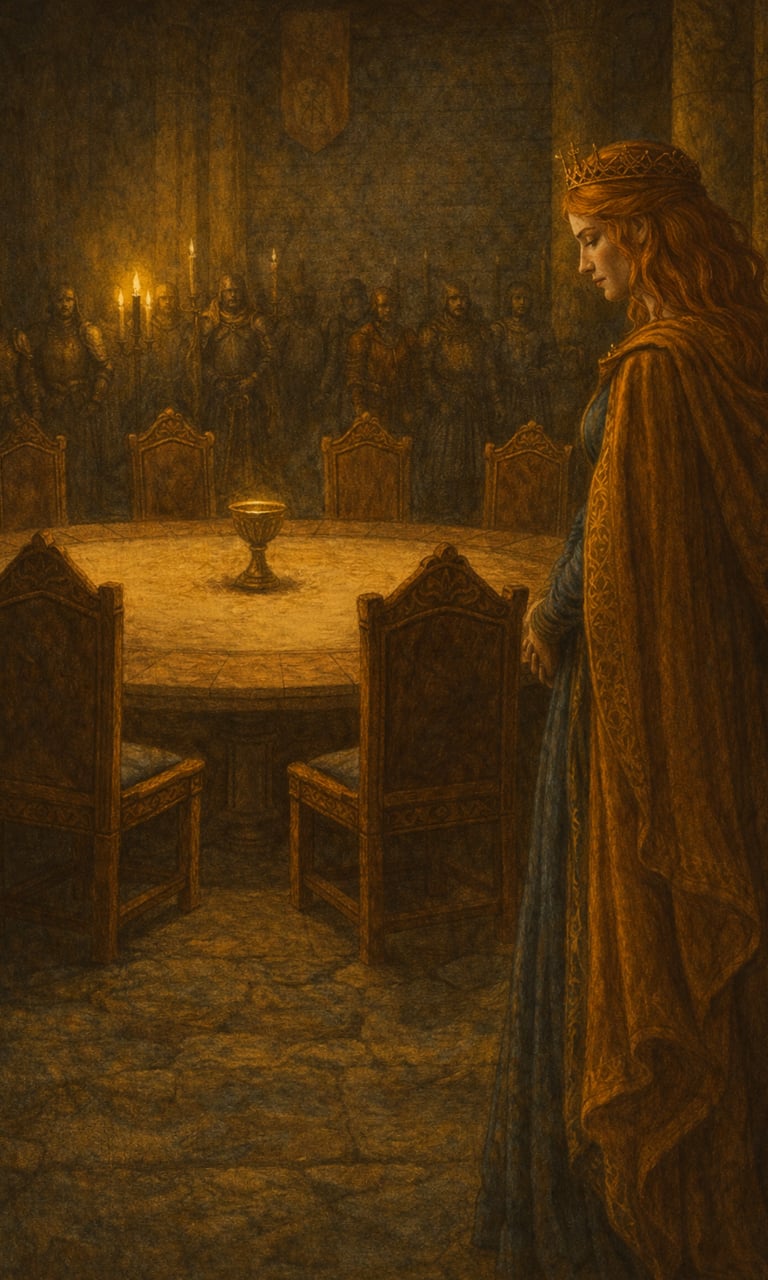
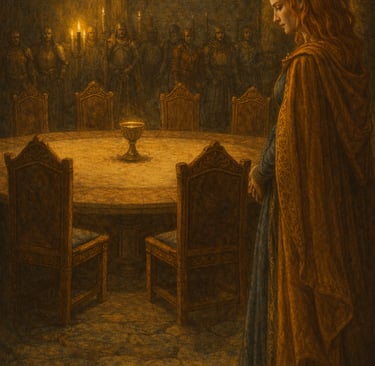
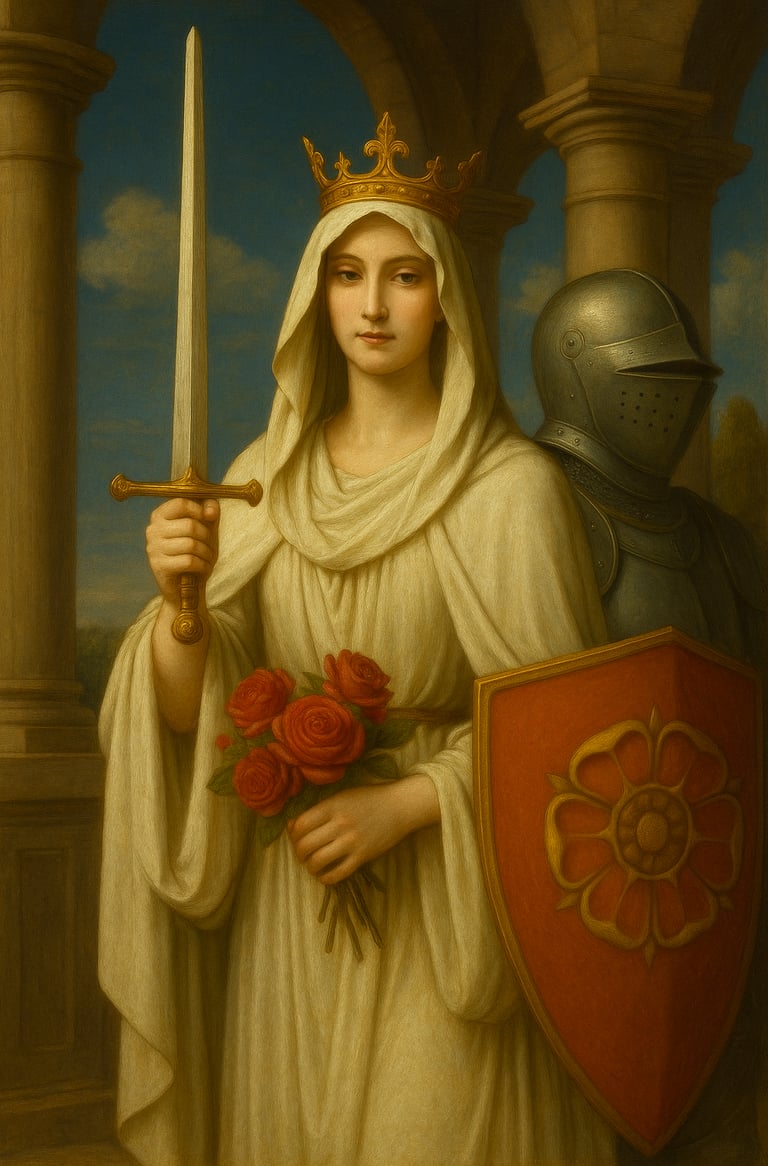
These images are drawn from two pivotal chapters —
"She Lost Her Seat at the Table" &"Banished"
did Sophia walk this earth......She does....
'Wisdom ~ Sophia, appears early in the record as a presence beside creation itself, speaking with authority and clarity. Later, she becomes harder to locate. Whether this change reflects interpretation, translation, or deliberate narrowing of her role, the effect is the same: a voice once central becomes difficult to hear.
But to actually know Sophia is a vital missing component for humanity to rediscover; this insight will ground anyone who comes to understand what she truly brings to humanity. She teaches the initiations of darkness against all Souls and the core tools for the interior work for restoration.
But how do we find the voice, the wisdom, the way, and what are the challenges, stages, and blocks we know exist with no visible evidence? Sophia is the light of deliverance.
Rediscover your 'knowing, dissolving darkness & chaos by illuminating from within.
13 Repentances are your tools of power.
She wears the Robe of Recovery
When something this important grows quiet in a culture, the silence itself becomes evidence.
Sophia & Soul Pain explores what happened when humanity lost direct relationship with wisdom, rhythm, and creation—and how that loss still shapes women’s bodies, medicine, and spiritual life today.
Answering Questions, we explore a Spiritual & Soul Communication fraternity and how it's disruption is still echoed in Soul Pain
Drawing on biblical tradition, clinical experience, and the lineage of the village healer, it restores a framework in which wisdom is not abstract theology but a living presence once again available.
THIS BOOK KEEPS ARRIVING IN LAYERS for readers; the Teacher will come.
Women throughout history who carried this lineage—village healers, nuns who ran hospitals in Convents and monasteries—embodied Sophia—healing, Compassion, Understanding, and the source.
The Cartographer Model — not writing commentary, drawing maps of where authority moved. Methodology.
The Four Map Layers — Language Control, Calendar Control, Medical Authority Transfer, Scriptural Interpretation Transfer. These absolutely become visual timeline plates.
The Authority-Transfer Pivots — Babel, Egyptian priesthood, Alexander, Alexandria's destruction, Constantine, Julian calendar, Gregorian reform, modern licensing. Each one narrows interpretive access.
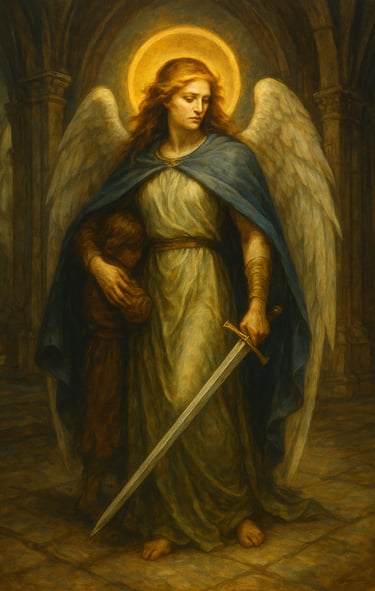

Sophia sits at the intersection:
As creation
Governance
theology
cosmology
embodiment
ethics
healing
symbolic perception
She isn’t a doctrine. She’s a mode of knowing.
WORKING MANUSCRIPT, cont
This placement map shows where primary wisdom texts anchor the argument of Soul Pain. It is provided for educators, clergy, clinicians, and institutional readers evaluating the manuscript’s scriptural foundation.
SOUL PAIN
Master Placement Map for Sophia Citations
Where Sophia Speaks Across the Manuscript
Dr. Bonnie Sophia-Maria Rose, ND, MS, CTN
How Sophia Moves Through This Book
This map traces where I place Sophia’s voice across the manuscript of Soul Pain. She is not a decorative theme. She is the organizing intelligence of the book—present at creation, displaced from authority, and recoverable through the framework I am building.
I am anchoring her presence in primary textual sources across three scriptural eras: Hebrew wisdom literature, Second Temple and early Christian writings, and calendrical traditions. These citations are not background decoration. They are the structural evidence that Sophia was remembered, preserved in fragments, and never fully erased.
Across the book, Sophia appears in this progression:
Creation — Proverbs 8
Emanation — Wisdom of Solomon 7
Dwelling among people — Sirach 24
Displacement — Enoch 42
Sacred time ordering — Jubilees 2
Incarnational continuity — Gospel of John 1
That sequence reads like recovered memory rather than constructed argument. That is exactly what Soul Pain claims to do.
Citation Map by Chapter
Part I — Chapter 1: Where Is the Owner’s Manual for Being Human?
I open with Proverbs 8:22–30. This is where Sophia declares she was present before the foundations of the earth, beside God at creation. I use her as the “owner’s manual voice” — establishing immediately that humanity once assumed creation had intelligibility, that wisdom predated institutions, and that correspondence existed between heaven and body.
Placement: opening 3–5 pages of the chapter. Readers understand from the beginning that this book restores something ancient, not invents something new.
Part II — Chapter 7: Angels, Dreams, and Messengers Across Scripture
I draw from Sirach 24:8–12, where Wisdom is commanded to make her dwelling among a people. This shows Sophia dwelling among humanity, not floating abstractly in heaven. She belongs naturally beside Samuel, Mary, Joseph, Magdalene, and Elijah. She is part of the same signaling network. Communication with the divine was once expected.
Part III — Chapter 11: Sophia: Wisdom Present at Creation Before Eve
This is the primary anchor chapter for Sophia’s identity. I use Wisdom of Solomon 7:25–26 — the strongest theological passage available. She is described as “a breath of the power of God,” “a pure emanation of the glory of the Almighty,” and “a spotless mirror of the working of God.” This transforms Sophia from literary voice into cosmological function. This is what protects my argument from being misclassified as devotional literature. She is structural intelligence.
Part III — Chapter 13: Eve: Knowledge Reframed as Transgression
I bring Proverbs 8 back briefly as a callback. The contrast is sharp: Sophia represents knowledge aligned with creation. Eve’s story represents knowledge reframed as disobedience. This creates the first visible “authority fracture” in the book. Readers feel the shift.
Part V — Chapter 23: Sophia Across Traditions
I place Enoch 42:1–2 here. This is the central verse of my entire Sophia argument: “Wisdom found no place where she might dwell; then a dwelling-place was assigned her in the heavens.” This explains displacement without disappearance. I use it as the pivot sentence of the chapter.
I am placing a short epigraph before this chapter:
“Wisdom found no place where she might dwell…”
— Book of Enoch 42:1
From that point forward, Sophia is no longer a symbol. She becomes a missing resident of history.
Part V — Chapter 31: When Time Was Taken from the Body
I reference Jubilees 2 here, where creation unfolds in structured sacred time revealed as heavenly pattern. Even though Sophia is not named explicitly, the tradition assumes wisdom equals correct ordering of time. This ties directly to my Five Pillars of Continuity Culture: language, calendar, genealogy, medicine, and ritual timing. Sophia becomes the intelligence coordinating them.
Part VI — Chapter 33: Mineral Depletion and Nervous-System Instability
I bring Wisdom of Solomon 7 back briefly — just the concept of “ordering all things.” This supports my thesis that physiology reflects correspondence structure. Sophia is the ordering intelligence. Minerals are the signaling architecture. The connection is elegant and defensible.
Part VIII — Chapter 48: Restoring the Conversation Between Body and Spirit
I close the arc with Gospel of John 1:1–5: “In the beginning was the Word… All things were made through Him.” Early Christian theology reads Logos and Sophia as overlapping fields of divine ordering intelligence. I do not need to argue identity. I only need to show continuity. This creates narrative completion. Readers feel resolution. The same intelligence that opened the book at creation now closes it through incarnation.
The Six Anchor Verses
These are the six primary textual anchors I am building Soul Pain around. Together they create a historical progression — a cartography of Sophia’s authority across traditions.
1. Sophia present before creation
Source: Proverbs 8:22–30
“The Lord possessed me at the beginning of His way, before His works of old… when He established the heavens, I was there.”
This establishes Sophia as pre-material, participatory in creation, and not metaphorical hindsight poetry. This is my opening pillar.
2. Sophia as ordering intelligence in matter
Source: Wisdom of Solomon 7:25–26
“She is a breath of the power of God and a pure emanation of the glory of the Almighty… a spotless mirror of the working of God.”
This transforms Sophia from literary voice into cosmological function. I use this when bridging into mineral signaling, embodiment, and physiology chapters.
3. Sophia seeking a dwelling among humans
Source: Enoch 42:1–2
“Wisdom found no place where she might dwell; then a dwelling-place was assigned her in the heavens.”
This verse supports my thesis that Wisdom did not disappear — Wisdom was relocated. That is my argument in one sentence.
4. Wisdom dwelling among a people
Source: Sirach 24:8–12
“Then the Creator of all things gave me a command… ‘Make your dwelling in Jacob.’”
Sophia does dwell among a people. The narrative sequence becomes: present at creation, seeks dwelling among humans, relocated to heaven, returns to dwell among a lineage. That is interpretive continuity.
5. Wisdom as architect of sacred time
Source: Jubilees 2:1–2
Creation unfolds in structured sacred time revealed to Moses as heavenly pattern.
Even though Sophia is not named explicitly, the tradition assumes wisdom equals correct ordering of time. This supports my chapter on when time was taken from the body.
6. Wisdom fulfilled through Logos
Source: Gospel of John 1:1–5
“In the beginning was the Word… All things were made through Him.”
Early Christian theology reads Logos and Sophia as overlapping fields of divine ordering intelligence. I do not need to argue identity. I only need to show continuity.
Manuscript Paragraph
This paragraph bridges all six anchor verses into one cohesive passage:
Sophia appears in the earliest wisdom literature as a speaking presence beside God at creation, declaring in Proverbs that she was present before the foundations of the earth. Later texts describe her as the emanation through which creation itself is ordered, and the Book of Enoch records that she sought a dwelling among human beings and found none, suggesting not her absence but her displacement. Sirach preserves memory of her dwelling again among a people, while calendrical traditions such as Jubilees embed wisdom within sacred time itself. By the opening of the Gospel of John, this ordering intelligence is described as the Word through whom all things were made. The traditions did not forget Sophia. They preserved her in fragments.
Map Layer 1 — Language Control
Babel
Hellenization under Alexander
Latin clerical dominance
vernacular suppression in medicine
Map Layer 2 — Calendar Control
Egyptian priesthood astronomy
Julian reform
Gregorian reform
industrial time standardization
Map Layer 3 — Medical Authority Transfer
wise woman
temple healer
monastic healer
licensed physician
industrial medicine
Map Layer 4 — Scriptural Interpretation Transfer
Sophia traditions
Wisdom literature
early Christian plurality
Constantinian canon stabilization
When stacked together visually, these maps will show something readers feel immediately:
Authority didn’t disappear randomly
it moved.
Master Placement Map for Sophia Citations in Soul Pain
PART I — The Signal Was Never Lost
Chapter 1
Where Is the Owner’s Manual for Being Human?
Insert:
From Book of Proverbs 8:22–30
Purpose here:
Establish immediately that humanity once assumed:
Creation had intelligibility
Wisdom predated institutions
correspondence existed between heaven and body
Use Sophia as the “owner’s manual voice.”
Suggested placement:
Opening 3–5 pages of the chapter.
Effect: Readers understand from the beginning this book restores something ancient—not invents something new.
PART II — We Were Never Alone
Chapter 7
Angels, Dreams, and Messengers Across Scripture
Insert:
From Book of Sirach 24:8–12
Purpose:
Show Wisdom dwelling among a people, not floating abstractly in heaven.
This supports the thesis that:
Communication with the divine was once expected
Sophia belongs naturally beside:
Samuel
Mary
Joseph
Magdalene
Elijah
She is part of the same signaling network.
PART III — The Scapegoats of Creation
Chapter 11
Sophia: Wisdom Present at Creation Before Eve
Primary anchor:
Wisdom of Solomon 7:25–26
- strongest theological passage in the entire book.
Use language like:
emanation
mirror of divine activity
fashioner of all things
Purpose:
Demonstrate Sophia as structural intelligence rather than symbolic femininity.
This protects the argument from being misclassified as devotional literature.
Chapter 13
Eve: Knowledge Reframed as Transgression
Insert supporting echo from:
Book of Proverbs 8 again (brief callback)
Contrast:
Sophia = knowledge aligned with creation
Eve = knowledge reframed as disobedience
This creates first visible “authority fracture.”
Readers feel the shift.
PART V — Cartography of Authority
This section is where Sophia becomes historical evidence rather than theology.
Chapter 23
Sophia Across Traditions
Insert:
Book of Enoch 42:1–2
Key line:
Wisdom found no place where she might dwell
This is the central verse of the entire Sophia argument in the manuscript.
Why?
Because it explains displacement without disappearance.
Use it as the pivot sentence of the chapter.
Chapter 31
When Time Was Taken from the Body
Insert cosmological structure reference from:
Book of Jubilees 2
Purpose:
Demonstrate:
Wisdom once governed sacred time
calendar disruption = signal disruption
This ties directly to the Five Pillars of Continuity Culture:
language
calendar
genealogy
medicine
ritual timing
Sophia becomes the intelligence coordinating them.
PART VI — The Biology of Soul Pain
Chapter 33
Mineral Depletion and Nervous-System Instability
Insert interpretive bridge:
Wisdom of Solomon 7 again (short phrase only)
Example concept:
“ordering all things.”
Use this to support your thesis that:
Physiology reflects correspondence structure
Sophia = ordering intelligence
minerals = signaling architecture
Elegant connection
PART VIII — The Return of Sophia
Chapter 48
Restoring the Conversation Between Body and Spirit
Insert:
Gospel of John 1:1–5
Purpose:
Close the arc opened in Chapter 1.
Beginning:
Wisdom beside God at creation
Ending:
Word through whom creation continues
Same intelligence
different language layer
This creates narrative completion.
Readers feel resolution.
Visualizing the hidden structure
Across the book, Sophia now appears in this sequence:
Creation
(Proverbs)
Emanation
(Wisdom of Solomon)
Dwelling among people
(Sirach)
Displacement
(Enoch)
Sacred time ordering
(Jubilees)
Incarnational continuity
(John)
That progression reads like recovered memory rather than a constructed argument.
Exactly what Soul Pain claims to do.
Place a short epigraph before Chapter 11:
“Wisdom found no place where she might dwell…”
— Book of Enoch 42:1
Readers won’t consciously analyze it.
But subconsciously, they understand:
This chapter explains why.
And from that point forward, Sophia is no longer a symbol.
She becomes a missing resident of history.
WORKING OUTLINE MATERIALS
1. Sophia was present before creation
Anchor text
From Book of Proverbs 8:22–30
Key line to quote:
“The Lord possessed me at the beginning of His way, before His works of old… when He established the heavens, I was there.”
Why this matters:
This establishes Sophia as:
pre-material
participatory in creation
not metaphorical hindsight poetry
It’s an opening pillar.
2. Sophia as ordering intelligence in matter
Emanation theology
From Wisdom of Solomon 7:25–26
Key line:
“She is a breath of the power of God and a pure emanation of the glory of the Almighty… a spotless mirror of the working of God.”
This transforms Sophia from a literary voice to a cosmological function.
Use this when bridging into mineral signaling, embodiment, or physiology chapters.
3. Sophia seeks a dwelling among humans
Displacement language (extremely important)
From Book of Enoch 42:1–2
Key line:
“Wisdom found no place where she might dwell; then a dwelling-place was assigned her in the heavens.”
This verse is gold for Soul Pain.
It supports thesis that:
Wisdom did not disappear
Wisdom was relocated
That’s the argument in one sentence.
4. Wisdom is identified with divine presence among humanity
Incarnational bridge
From Book of Sirach 24:8–12
Key line:
“Then the Creator of all things gave me a command… ‘Make your dwelling in Jacob.’”
Here, Sophia does dwell among a people.
So the narrative sequence becomes:
present at creation
seeks dwelling among humans
relocated to heaven
returns to dwell among a lineage
That’s interpretive continuity—not abstraction.
5. Wisdom as architect of sacred time
Calendar authority support
From Book of Jubilees 2:1–2 (contextual passage)
Key idea:
Creation unfolds in structured sacred time revealed to Moses as a heavenly pattern.
This supports your chapter:
When Time Was Taken from the Body
Even though Sophia isn’t named explicitly here, the tradition assumes:
wisdom = correct ordering of time
Exactly your thesis.
6. Wisdom fulfilled through Logos language
New Testament continuity layer
From Gospel of John 1:1–5
Key line:
“In the beginning was the Word… All things were made through Him.”
Early Christian theology reads Logos and Sophia as overlapping conceptual fields of divine ordering intelligence.
Do not need to argue identity.
Only need to show continuity.
That keeps the story line strong and widely acceptable.
How these six verses work together structurally in Soul Pain
They create a historical progression like this:
Proverbs 8
Wisdom was present before creation
Wisdom of Solomon 7
Wisdom as emanation in creation
Enoch 42
Wisdom displaced from earth
Sirach 24
Wisdom dwelling among a people
Jubilees 2
Wisdom embedded in sacred time
John 1
Wisdom continues with incarnation theology
That sequence reads like cartography of authority across traditions.
A short paragraph manuscript
Sophia appears in the earliest wisdom literature as a speaking presence beside God at creation, declaring in Proverbs that she was present before the foundations of the earth. Later texts describe her as the emanation through which creation itself is ordered, and the Book of Enoch records that she sought a dwelling among human beings and found none, suggesting not her absence but her displacement. Sirach preserves memory of her dwelling again among a people, while calendrical traditions such as Jubilees embed wisdom within sacred time itself. By the opening of the Gospel of John, this ordering intelligence is described as the Word through whom all things were made. The traditions did not forget Sophia. They preserved her in fragments.
That paragraph alone gives argument textual backbone across three scriptural eras.
FRAMEWORK: The Architecture of Sacred Time vs. Altered Time
Layer 1 — Original Creation Time (Genesis 1)
Authority holder: God through Wisdom (Sophia tradition language)
Functions established
day / night
seasons
appointed times (moedim)
agricultural rhythm
Sabbath cycle
jubilee restoration cycles
Meaning:
Time begins as relational structure, not measurement technology.
Creation is synchronized before it is populated.
Key implication for thesis:
Wisdom is present before clocks exist.
Layer 2 — First Timeline Fracture: Eden
Event
Knowledge accessed outside covenant sequence
Effect
Human perception of time changes immediately:
“Their eyes were opened.”
New awareness produces:
mortality awareness
urgency
labor cycles
pain cycles
generational decay
This is the first shift from eternal rhythm → survival rhythm.
Women later come to be blamed narratively for this shift.
Layer 3 — Watchers Period (Genesis 6 + Enoch)
Event
Celestial beings introduce premature knowledge systems
Includes:
metallurgy
weapon timing
astrology misuse
cosmetic manipulation
altered calendrical reckoning
Enoch explicitly warns:
incorrect calendar = corruption signal
Meaning:
Timeline distortion begins before the Flood.
Women are later recast as “seductive agents,” though Watchers initiate contact.
Layer 4 — Flood Reset
Event
Civilization reboot
After the Flood:
The human lifespan shortens
ecological rhythm changes
diet changes
territorial identity begins
Time compresses.
Human history accelerates.
This is the first global timeline compression event.
Layer 5 — Babel: Language Fragmentation
Event
Single language broken
Effect:
shared meaning lost
collective planning interrupted
Civilizational tempo diverges
Important insight for Soul Pain:
When language fragments,
interpretation authority fragments.
Wisdom transmission weakens here.
Layer 6 — Egypt: Imperial Time
Event
Israel was enslaved inside the empire
Empire introduces:
work quotas
production scheduling
state-controlled labor cycles
Instead of Sabbath:
brick counts
Time becomes economic.
Liberation story (Exodus) restores the sacred calendar immediately afterward.
God’s first instruction post-escape:
reset the months.
That is not accidental.
Layer 7 — Sinai Covenant Calendar
Event
Festival structure installed
Includes:
Passover
Firstfruits
Pentecost
Trumpets
Atonement
Tabernacles
These anchor identity to sacred time rather than political time.
Calendar becomes a covenant memory system.
Layer 8 — Jeroboam Alters the Feast (1 Kings 12)
Event
State authority changes the festival date
Shift:
7th month → 8th month
This is the first deliberate political rewrite of sacred time inside Israel itself.
No lightning strike occurs.
Instead:
long-term national decline begins
Timeline manipulation here is subtle — administrative, not dramatic.
Exactly the kind of “under the table” shift you were sensing.
Layer 9 — Prophetic Era: Feminized Nation Language
Israel is described as:
unfaithful bride
adulterous wife
abandoned woman
Timeline disruption is now explained using a feminine metaphor.
Collective covenant failure reframed as relational betrayal.
Authority language shifts again.
Layer 10 — Babylonian Exile
Event
Temple destroyed
Consequences:
festival timing interrupted
Sabbath land cycles enforced externally
liturgical authority displaced
Calendar now preserved in text rather than through temple practice.
Time moves from land → scripture.
Major structural shift.
Layer 11 — Daniel’s Warning
Key statement:
a ruler will “change times and laws.”
This identifies timeline manipulation as a hallmark of illegitimate authority.
Not technology.
Governance.
Layer 12 — Second Temple Calendar Conflicts
Different Jewish groups keep different calendars:
Temple authorities
Qumran community
Enochic calendar followers
Disagreement over time = disagreement over legitimacy.
The calendar becomes an identity battlefield.
Layer 13 — Roman Imperial Time
Empire standardizes:
tax cycles
military cycles
road systems
legal scheduling
Sacred time is increasingly subordinated to imperial timekeeping.
This continues today more than people realize.
Layer 14 — Revelation: Woman Clothed With the Sun
Now the timeline symbol reverses.
The woman appears:
crowned with stars
standing on the moon
wrapped in solar light
She is not to blame.
She is protected.
This signals restoration of cosmic alignment imagery.
Many traditions connect her to Wisdom.
MASTER SUMMARY CHART FOR BOOK
present this visually this:
Phase Who Controls Time Result Creation Divine Wisdom order harmony Eden human grasping knowledge mortality awareness Watchers celestial interference corrupted sciences Flood divine reset compressed lifespan Babellinguistic fracture interpretive chaos Egypt empire labor time replaces sacred time Sinaicovenant calendar restored rhythm Jeroboam political religion internal distortion Exile foreign empire temple time lost Daniel prophetic warning timeline manipulation predicted Rome imperial standardizations sacred time marginalized Revelation radiant woman restored cosmic alignment returns
Why This Matters for Soul Pain
Here’s the through-line uncovering:
Loss of wisdom voice
→ loss of calendar integrity
→ loss of relational identity
→ loss of embodied guidance
→ loss of intergenerational strength
Which matches exactly what is described clinically:
“The seed gets weaker.”
That observation fits this framework almost perfectly.
Position on the Gnostic Claim That Sophia Created the World Independently
I do not accept the later Gnostic claim that Sophia generated creation outside alignment with the divine order and thereby produced a secondary creator responsible for the material world. That interpretation appears in certain late cosmological systems, but it does not reflect the earlier Wisdom tradition preserved in Hebrew scripture or classical Jewish theology.
In the older texts, Wisdom is present before creation, with God, not apart from God. She participates in ordering creation, not misdirecting it.
For example, in Proverbs 8, Wisdom speaks as one who stands beside the Creator at the foundation of the earth. She is described as present at the measuring of the heavens and the setting of boundaries for the seas. Nothing in that text suggests rebellion, fracture, or error. Instead, Wisdom appears as a stabilizing presence within creation itself.
The idea that she produced a flawed creator figure emerges later.
Where the “Sophia Creates a Lesser God” Narrative Comes From
The concept that Sophia generated an inferior creator—often identified as the Demiurge—developed in certain second-century cosmological systems associated with writers later described as Gnostic.
In these accounts:
Sophia acts without her counterpart
a rupture occurs in the divine order
a lesser creator emerges
the material world becomes defective
This interpretation does not appear in Genesis, Proverbs, Job, or Sirach. It belongs to a different interpretive tradition that attempted to explain why suffering exists in a world created by a good God.
It is a solution to the problem of evil, not a description of the original Wisdom tradition.
Early Critics of the Gnostic Sophia Narrative
Several early thinkers challenged the claim that Wisdom independently produced creation or generated a secondary god.
Irenaeus (2nd century)
Irenaeus rejected the idea that Sophia created outside divine unity and argued that such systems divided the Creator unnecessarily. He insisted that creation proceeds from one coherent source rather than a fractured chain of lesser beings.
His concern was theological coherence: if multiple creators exist, then moral authority becomes unstable.
Tertullian
Tertullian criticized cosmologies that separated Wisdom from the Creator, arguing that they weakened the integrity of the doctrine of creation and introduced speculative mythology where scripture had remained restrained.
He viewed these systems as narrative expansions rather than preserved tradition.
Origen
Origen engaged seriously with Wisdom traditions but resisted the claim that she produced a defective material order. Instead, he described Wisdom as eternally aligned with divine reason (Logos), not acting independently of it.
Plotinus
Plotinus—though not writing within Christian theology—also criticized Gnostic cosmologies that described the material world as the result of a divine mistake. He argued that creation reflects ordered emanation rather than accident or failure.
His critique is philosophical rather than scriptural, but it reinforces the same objection: the structure of reality does not resemble the outcome of an error.
Jewish Wisdom Tradition Does Not Support the Gnostic Version
Within earlier Jewish literature:
Wisdom is present with God
Wisdom assists in ordering creation
Wisdom delights in humanity
Wisdom establishes justice
She is never portrayed as acting in isolation from the Creator or generating a rival creative authority.
Texts such as:
Proverbs 8
Sirach 24
Wisdom of Solomon 7–9
present Wisdom as participating in divine governance, not destabilizing it.
Why the Gnostic Version Appears Later
The “Sophia error” narrative emerges in historical periods when interpreters were trying to explain why the world contains suffering, corruption, and injustice despite belief in a good Creator.
One solution proposed:
Creation itself must have originated through a fracture.
Another solution preserved in earlier Wisdom literature:
Creation remains ordered, but humanity can fall out of alignment with it.
These are fundamentally different explanations.
Working Conclusion for Timeline Placement
The claim that Sophia produced a secondary creator outside divine alignment does not belong to the earliest Wisdom tradition. It appears later as part of an attempt to explain disorder in the world. Earlier texts consistently present Wisdom as present at creation, aligned with divine intention, and active in sustaining order rather than disrupting it.
This distinction becomes important when tracing how later traditions reinterpret the role of the feminine voice in creation history. It marks a shift from Wisdom as architect of harmony to Wisdom as source of fracture—a transition that deserves careful scrutiny when reconstructing the historical record of how her authority was understood.
Where Sophia Stands Today: A Naturopathic Perspective (in development)
Where Sophia Stands Today: A Naturopathic Perspective
The Long History of Altering Creation
Human beings have been modifying the body for a very long time. This is not new behavior. Across civilizations, parents shaped the heads of their children to resemble the ruling class or priesthood. In other societies, the feet of young girls were bound so they would appear more refined and suitable for elite marriage. Teeth were filed, necks lengthened, bones compressed, and faces reconstructed after injury or punishment. Even early surgical traditions restored damaged noses and repaired wounds that would otherwise have left a person socially excluded from community life.
Some of these interventions preserved dignity. Some restored function. Some protected survival.
Others were attempts to reshape identity itself.
What becomes clear across history is that human beings have always recognized that the body carries meaning. The body signals belonging. It signals authority. It signals lineage. It signals access to power. Parents sometimes altered the structure of their children’s bodies because they believed they were securing their future place within society.
In this way, modification of the body became a kind of passport into governance, priesthood, marriage alliances, or aristocratic continuity.
But there is an important distinction between restoring the body and redesigning it.
Restoration honors the original blueprint.
Redesign begins to replace it.
Today we are no longer only repairing what has been injured. We are altering development itself through pharmaceuticals given in childhood, endocrine-disrupting chemicals in food and water, cosmetic restructuring of physical identity, and technologies that increasingly approach the nervous system and brain. Even before we speak about implants or genetic editing, modern food chemistry alone is already reshaping biological inheritance.
This is not a small change in medicine. It is a shift in how humanity relates to creation.
For many years in clinical practice, I watched families across generations. Mothers often came to see me with their children. Sometimes their own mothers came as well. In several cases I followed these families for a decade or longer. I watched children grow up and begin having children of their own. That kind of continuity allowed me to see something most practitioners never see clearly: the movement of vitality through a lineage.
In strong family lines, resilience traveled forward. Nervous systems stabilized. Mineral balance held. Children matured with clarity and steadiness.
In other family lines, I watched something different unfold. A grandmother whose nervous system had long depended on antidepressants and alcohol would have a daughter struggling with exhaustion and regulation. That daughter, in turn, might raise a child already dependent on stimulant medication early in life. Over time I began to recognize a pattern I could only describe as weakening of the seed.
This was never a moral judgment. It was a biological observation.
Earlier healing traditions always tracked the strength of the seed. The seed represented more than fertility. It described resilience, clarity of mind, emotional stability, structural integrity, and the capacity to transmit life forward intact. When the seed weakened, something deeper than individual illness was taking place.
Modern medicine often examines isolated symptoms. Naturopathic medicine looks at inheritance across generations.
When patterns shift suddenly within a lineage, there is always a fracture in continuity. Something opens. There is empty space where stability once existed. Human beings instinctively try to fill that space. Creation itself does not leave emptiness unoccupied for long. Something always moves in to replace what has been lost.
I observed this not only in physical health but in relationships as well. When longstanding patterns between men and women shifted abruptly, there was always an unanswered question beneath the change. Something structural had moved. Something that once provided orientation was no longer present.
That kind of fracture has consequences.
It is within this context that I began thinking about the role of Sophia.
Sophia represents alignment with the order already present within creation. She does not oppose healing intervention. Throughout history, human beings have repaired injuries, restored damaged structure, and supported the weak. These acts protect life and strengthen continuity.
What concerns us today is not restoration. It is acceleration beyond understanding.
We are now modifying the biological environment of children before they are old enough to choose anything for themselves. Microbiomes are altered. Hormonal signals are altered. sleep cycles are altered.
Neurological exposures are altered. mineral availability is altered. Families rarely recognize these shifts because they unfold slowly, one generation at a time. But when three generations are visible together, the pattern becomes unmistakable.
The seed changes.
This is where the question of wisdom becomes urgent.
Human beings have always modified the body. But earlier societies understood that there were boundaries surrounding creation. There were demarcations between what belonged to human authority and what belonged to divine order. The relationship between heaven and earth was not considered interchangeable. The relationship between human beings and angels was not considered casual. These boundaries protected structure within the timeline of creation itself.
Today we are approaching a threshold where those boundaries are being tested again.
Some modifications support life. Some restore what has been damaged. Some extend compassion where suffering exists. But some interventions begin to alter inheritance itself. They change the conditions under which the next generation will live before that generation has even arrived.
When humanity begins adjusting timelines that were once received rather than engineered, the question is no longer technological. It becomes theological.
Are we strengthening continuity with creation, or are we replacing it?
Sophia stands precisely at that boundary.
From a naturopathic perspective, wisdom asks whether vitality increases across generations or diminishes. It asks whether children begin life stronger than their parents did. It asks whether the seed carries forward with clarity, stability, and resilience intact.
These are not abstract ideas. They are clinical observations that can be seen in families over time.
For many years I watched those patterns quietly. What I saw convinced me that the future of health depends not only on what we treat, but on what we transmit.
That is where Sophia stands today.
The Sophia Continuity Timeline
Recovering the Lost Architecture of Women’s Authority in Healing, Governance, and Sacred Knowledge
Over the past eight months I have been assembling a historical continuity map tracing the presence of wisdom leadership carried through women across civilizations. This work forms part of the foundation for my upcoming book Soul Pain.
Rather than presenting isolated biographies of remarkable women, this timeline identifies a repeating pattern: periods in history when women held recognized authority in governance, medicine, prophecy, and spiritual interpretation, followed by phases in which those roles were restricted, institutionalized, or erased.
The project asks a simple but powerful question:
Where did Sophia’s voice remain visible in history, and where was it systematically removed?
To answer that question, the timeline follows a continuous thread beginning in the ancient world and extending into the modern clinical era.
It includes figures such as:
Hatshepsut, whose monuments were later recarved after her reign as Pharaoh
Deborah, who exercised national judicial authority in early Israel
Miriam, remembered as a prophetic leader in the Exodus tradition
Queen of Sheba, whose sovereign independence represents one of the clearest preserved examples of maternal political continuity
Macrina the Younger, whose theological influence shaped early Christian metaphysics
Julian of Norwich and Catherine of Siena, who preserved contemplative authority during periods of institutional consolidation
Teresa of Ávila, who mapped the interior structure of spiritual transformation
Florence Nightingale, who carried women’s healing authority into modern clinical systems
The timeline also identifies turning points that reshaped how wisdom authority was transmitted across generations, including:
Siege of Jerusalem (70 CE)
First Council of Nicaea
These events marked structural transitions from land-based ritual leadership toward text-based institutional authority, changes that affected how women’s roles in healing and interpretation were preserved or displaced.
This work does not treat Sophia as an abstract symbol alone. It follows Sophia as a lived pattern expressed through mothers, healers, rulers, prophets, and teachers whose influence shaped communities across centuries.
The purpose of this timeline is not simply historical reconstruction.
It is restoration.
Many women today recognize a deep interior knowledge they cannot easily name. The Sophia continuity timeline helps locate that experience within a much older lineage of wisdom practice that has never fully disappeared, even when it was no longer publicly acknowledged.
Soul Pain grows directly from this recovery work.
Sophia is now standing in the court, holding the quill and the gavel, and she has questions.
She is not returning as a symbol from the past. She is not asking permission to enter the room. She is standing where she once stood before—where decisions about language, medicine, time, and interpretation shaped the human story.
She comes to examine the record.
This book follows her across history: removal of the layers of Light, the burning of books, the breaking of calendars, the removal of midwives and herbalists, the silencing of women who carried memory, and the transfer of authority away from the body and into institutions that no longer recognized its wisdom.
It also follows the biological consequences of those changes—what happens when generations inherit confusion instead of continuity, noise instead of signal, treatment instead of understanding.
Soul Pain is not a reconstruction of lost mythology. It is an investigation.
Guided by the clinical perspective of a naturopathic doctor working with families across three generations, this work traces how wisdom moved underground, how the human nervous system adapted to that loss, and how the original conversation between body and spirit can be restored.
Sophia is not asking for her seat back.
She has already taken it.
And she invites us to walk with her through what happened.
With Abundant Love,
Bonnie Sophia-Maria Rose, ND, MS, CTN
1